
A well-maintained commercial roof is non-negotiable. It’s a critical investment that protects your business, inventory, employees, and customers from the elements. But how do you know when simple repairs are no longer enough, and it’s time for a full commercial roof replacement in Los Angeles? Ignoring the early warning signs can lead to catastrophic damage, costly business interruptions, and complex insurance claims down the line. Duraroof, your trusted Los Angeles commercial roofing experts, is here to help you identify the critical indicators that your roof has reached the end of its lifespan and needs immediate attention.
Roof Age
The lifespan of a commercial roof varies significantly based on its material, installation quality, and maintenance consistency. However, every roof has a hard limit. Single-ply TPO and PVC roofs might last 15-20 years, while modified bitumen or built-up roofing (BUR) systems can go 20-30 years. If your roof is approaching or has exceeded its expected service life, it’s not a question of if it will fail, but when.
- Beyond its prime: Older roof materials become brittle, less flexible, and more susceptible to thermal shock damage (rapid expansion and contraction from temperature swings).
- Maintenance treadmill: If you find yourself scheduling repairs every few months, the cumulative maintenance costs can quickly exceed the investment in a new, energy-efficient system.
- Hidden degradation: Age often brings unseen damage to the underlying structure and insulation. A thorough inspection by Duraroof can reveal the true condition of your aging roof and often confirm the need for a preemptive replacement.
Persistent Leaks
A single, isolated leak might be fixed with a simple patch. However, persistent or recurring leaks—especially those appearing in multiple, disparate locations—signal a systemic failure in your roofing membrane or flashing. This is one of the most undeniable signs you need a commercial roof replacement in Los Angeles.
- Saturated Insulation: Water doesn’t just sit on the surface; it penetrates the membrane, soaking the insulation layer beneath. Wet insulation loses its R-value, reducing its effectiveness for temperature control and adding significant weight that strains the roof deck.
- Tracing the Source: When water is entering multiple points, tracing and repairing each entry point becomes an impossible and often fruitless task. The membrane itself is compromised, making a full replacement the most efficient and long-term solution.
- The Mold Risk: Persistent moisture leads directly to frequent mold growth (discussed next), which further degrades materials and poses a health hazard.
Frequent Mold Growth
Moisture trapped within the roof assembly or interior spaces due to roof penetrations creates a perfect breeding ground for mold and mildew. This is a critical sign of unmanaged water intrusion and is far more serious than a cosmetic issue.
- Health and Safety: In commercial properties, mold is a serious health and safety concern for employees and customers, potentially causing respiratory issues and allergic reactions.
- Structural Damage: Mold and mildew accelerate the decay of structural components, such as wood decking. Over time, this biological growth compromises the roof’s integrity, making a full replacement essential for structural safety.
- A Sign of Chronic Dampness: If you notice a persistent musty odor or visible mold growth on interior walls, ceilings, or around HVAC units, the roof assembly is likely retaining excessive water that is slowly but surely destroying your building.
Increased Energy Bills
Commercial roofs are a major component of a building’s energy envelope. If you notice a sudden, inexplicable spike in your heating and cooling costs, your roof’s insulation and reflectivity might be failing.
- Loss of Reflectivity: Many modern commercial roofs (especially in sunny Los Angeles) use reflective coatings or white membranes (like TPO) to reflect sunlight and minimize heat absorption, keeping the building naturally cooler. As these surfaces age and degrade, they become less reflective, absorbing more heat and forcing your HVAC system to work overtime.
- Compromised Insulation: As noted, persistent leaks saturate the roof insulation, degrading its thermal performance. You’re now paying to heat or cool the air, only for it to quickly escape through a waterlogged, inefficient roof assembly.
- Duraroof’s Solution: A commercial roof replacement in Los Angeles with a modern, energy-efficient system can deliver immediate, substantial savings. New TPO or PVC systems, coupled with fresh, dry insulation, will stabilize your building’s temperature and dramatically lower your utility consumption.
Cracks and Gaps
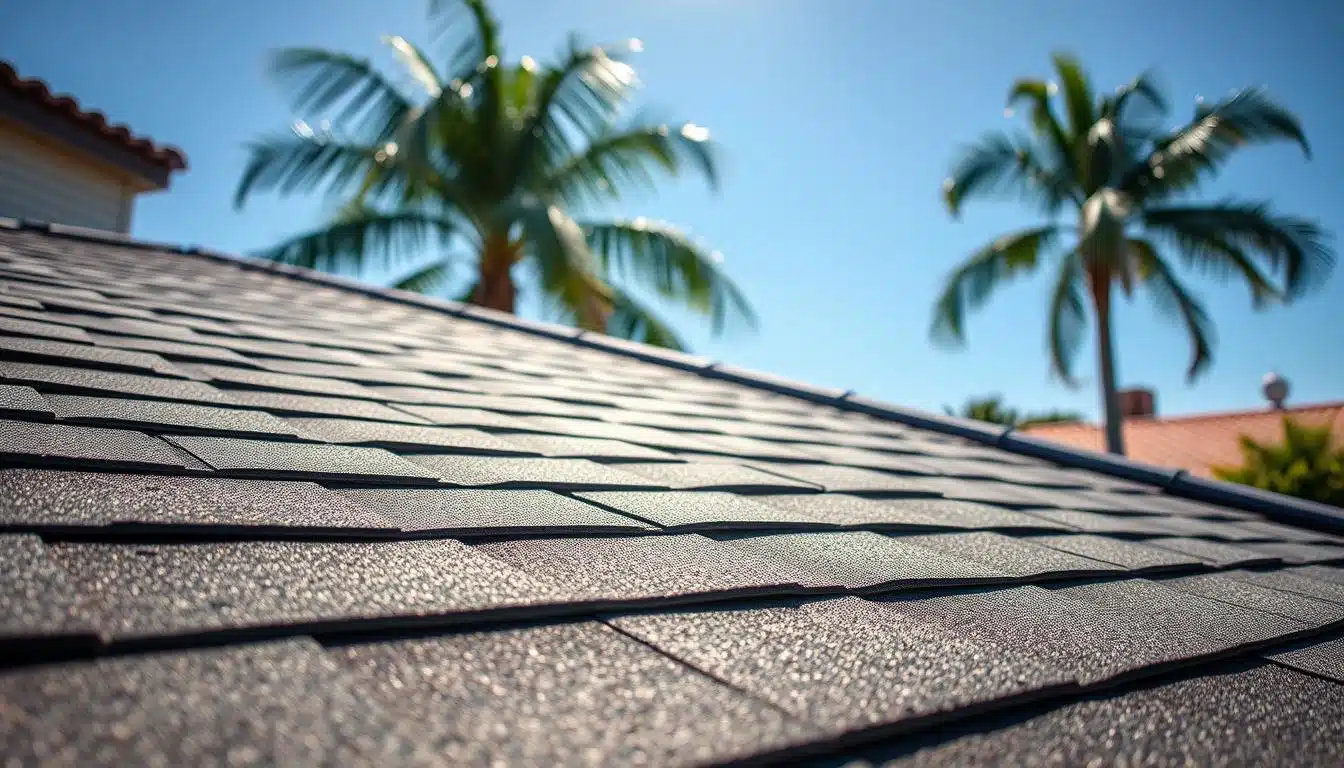
The visual condition of the roof membrane is a clear, actionable indicator of its health. Stress cracks, alligatoring (a pattern of surface cracks resembling alligator skin), and open gaps are not just unsightly—they are direct breaches in your protective barrier.
- Thermal Shock and UV Damage: Los Angeles’ temperature swings cause materials to expand and contract, which leads to fatigue. Coupled with relentless UV radiation, the membrane loses its elasticity, resulting in visible cracks and splits, especially around seams and penetrations.
- Flashing Failure: The most common point of failure is the flashing around HVAC units, vents, pipes, and parapet walls. If you see lifted, cracked, or missing caulk and gaps at these critical junctures, your roof is wide open to water intrusion.
- Ponding Water: Cracks often appear in areas where water pools. Ponding water not only accelerates membrane degradation but also adds significant structural load, compounding damage in already compromised sections.
Interior Damage
While the roof may show exterior signs, the most definitive proof of a failing system is the damage inside your building.
- Ceiling and Wall Stains: Water stains on ceiling tiles, drywall, or running down interior walls are clear signs of water penetrating the roof assembly.
- Rust and Corrosion: Water intrusion can cause steel decking, metal purlins, and other structural supports to rust. This rust compromises the entire building structure and is a severe sign that a full replacement is urgent.
- Damage to Assets: Water damage to inventory, electrical systems, computer equipment, and interior finishes often results in direct financial losses that far exceed the cost of a proactive roof replacement. When you start seeing interior damage, you’re already past the point of simple repair.
Conclusion
Your commercial roof is a major asset that deserves vigilant attention. If you’ve noticed multiple warning signs, it’s time to stop chasing repairs and invest in a comprehensive, long-term solution. For the best commercial roof replacement in Los Angeles, Duraroof provides expert inspection, tailored recommendations, and flawless installation of a new, high-performance system that will protect your investment for decades to come. Don’t wait for a crisis; contact Duraroof today for a detailed roof assessment and secure the future of your commercial property.